- Posted on
- AdCraft ads
- No Comments
How to become a Hypnotherapist: A Complete Professional Roadmap in Healthcare
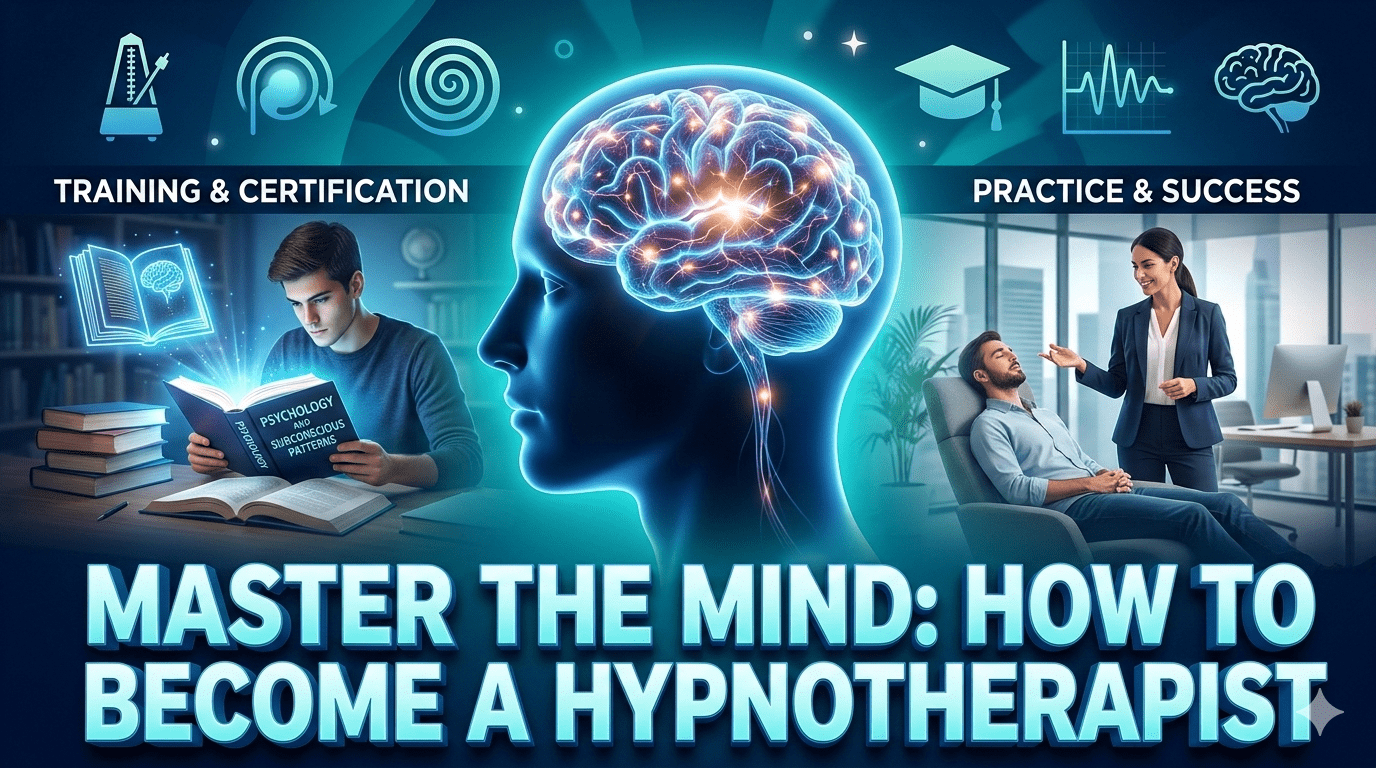
How to become a Hypnotherapist is a question many aspiring mental health professionals ask when they discover the powerful connection between psychology and subconscious healing. In today’s healthcare landscape, hypnotherapy is no longer viewed as stage entertainment or myth-based practice. It is a structured, evidence-based therapeutic approach integrated into modern psychological treatment models.
Hypnotherapy works by accessing focused attention and heightened suggestibility to support behavioral, emotional, and cognitive change. In clinical settings, it is used to address anxiety disorders, stress, phobias, trauma responses, insomnia, chronic pain, and psychosomatic symptoms. When practiced ethically and scientifically, it becomes a powerful adjunct to psychotherapy.
In India, the demand for structured mental health services has increased significantly. As awareness grows around emotional wellbeing, individuals are actively exploring a career in hypnotherapy. However, professional credibility requires formal education, proper training, and adherence to ethical standards. Psychology centers in Nagpur provide comprehensive support.
Table of Contents
Understanding the Professional Scope of Hypnotherapy
Before entering the field, it is essential to understand what hypnotherapy truly involves. Clinical hypnotherapy is not mind control. It is a collaborative therapeutic process where the client remains aware and in control. The hypnotherapist facilitates guided relaxation and suggestion techniques aligned with therapeutic goals.
In healthcare practice, hypnotherapy is often integrated with:
Cognitive Behavioral Therapy (CBT)
Trauma-informed therapy
Psychodynamic therapy
Behavioral modification techniques
Professionals who wish to practice must meet hypnotherapist qualification requirements that ensure psychological understanding, ethical competence, and client safety. Anxiety and stress treatment is one of the key applications.
Educational Foundation for Career in Hypnotherapy: The First Step
To build credibility in healthcare, an educational background in psychology is strongly recommended. While not every region legally mandates a psychology degree, serious practitioners pursue structured academic training.
Recommended pathway:
Bachelor’s degree in Psychology or related field
Master’s degree in Clinical Psychology or Counseling
Specialized clinical hypnotherapy training program
Supervised practical sessions
Strong theoretical understanding of human behavior, psychopathology, and therapy frameworks differentiates healthcare professionals from unregulated practitioners. Top psychologist in Nagpur provides expert guidance.
Why Hypnotherapy Certification Course Matters for Career Success
Completing a hypnotherapy certification course is essential for building authority and client trust. Certification validates your training hours, theoretical knowledge, and supervised experience.
A structured hypnotherapy certification course typically includes:
Foundations of hypnosis
Induction techniques
Deepening methods
Suggestion formulation
Ethics and boundaries
Case handling
Contraindications
An accredited hypnotherapy institute ensures that curriculum aligns with international standards and psychological safety protocols. Without certification, professional growth becomes limited and credibility suffers.
🎓 Professional Hypnotherapy Training Programs
Start your journey with certified training programs:
Clinical Hypnotherapy Training Program vs. Stage Hypnosis
Many misconceptions arise due to stage hypnosis performances. However, healthcare-based clinical hypnotherapy training program modules focus entirely on therapeutic applications.
Clinical hypnotherapy addresses:
Anxiety and panic disorders
Trauma recovery
Stress regulation
Sleep disorders
Habit control (smoking, nail biting)
Psychosomatic conditions
Professional training distinguishes therapy from entertainment. Ethical practice requires screening clients for psychiatric conditions such as psychosis or severe dissociation before intervention. Anxiety therapist in Nagpur provides specialized care.
How to become a Hypnotherapist: Learning from Established Experts
Healthcare credibility strengthens when students learn from experienced clinicians. In Nagpur, Dr. Vinod Mune stands as a respected authority in psychology and hypnotherapy.
Dr. Vinod Mune
PhD (Psychology) | Clinical Psychologist | Master Hypnotherapist | 15+ Years Experience
With advanced training from the American School of Hypnosis (USA), Dr. Vinod Mune integrates scientific psychology with advanced hypnotic techniques. Over 1000+ successful therapy sessions have shaped his practical expertise in anxiety, depression, OCD, sleep disorders, relationship conflicts, and child psychology.
Learning under professionals like Dr. Vinod Mune exposes students to:
Real clinical case analysis
Ethical decision-making
Evidence-based integration
Safe practice protocols
Structured therapeutic planning
His approach reflects healthcare-grade standards rather than surface-level training. Services available in Wardha, Gondia, and Chandrapur.
Choosing the Right Clinical Hypnotherapy Training Program
Selecting a clinical hypnotherapy training program requires careful evaluation. Look for:
Recognized certification
Supervised clinical practice
Clear curriculum structure
Ethical training framework
Mentorship opportunities
Psychological screening protocols
An accredited hypnotherapy institute must emphasize client welfare over commercial marketing.
Red flags to avoid:
Guaranteed income claims
Unrealistic cure promises
Extremely short training durations
Lack of psychological foundation
Quality education shapes long-term professional identity. Hypnotherapy centers in Nagpur offer professional training.
Core Skills Required for Hypnotherapist Qualification Requirements
Beyond formal training, successful practitioners cultivate:
Active listening
Emotional regulation
Non-judgmental communication
Ethical responsibility
Evidence-based reasoning
Understanding hypnotherapist qualification requirements means recognizing that competence extends beyond technique. Professional boundaries, confidentiality, and informed consent are mandatory healthcare principles.
Practical Training and Supervision in Accredited Hypnotherapy Institute
Theory alone does not prepare a practitioner. A structured hypnotherapy certification course includes supervised sessions where students conduct guided inductions under mentor observation.
Practical modules may include:
Anxiety reduction sessions
Smoking cessation protocols
Confidence enhancement work
Pain management suggestions
Stress release techniques
Feedback refines clinical judgment. Healthcare-based learning ensures that practitioners understand when hypnotherapy is appropriate and when referral to psychiatry is required. Depression therapy is also available.
📞 Call Now for Training Info 💬 WhatsApp
Legal and Ethical Considerations for Career in Hypnotherapy
Healthcare professionals must comply with local regulations. Depending on jurisdiction, hypnotherapy may fall under alternative therapy, psychological service, or complementary medicine categories.
Practitioners must:
Maintain client confidentiality
Obtain informed consent
Keep session records
Avoid false claims
Refer complex psychiatric cases
Ethical compliance protects both client and therapist. Best anxiety doctor in India follows strict ethical guidelines.
Building Experience After Hypnotherapy Certification Course
Experience strengthens expertise. New practitioners often:
Assist senior therapists
Conduct supervised practice
Offer community workshops
Integrate hypnotherapy with counseling
Under guidance from experts like Dr. Vinod Mune, practitioners develop case sensitivity and clinical depth. Services available in Akola, Bramhapuri, and Jabalpur.
Career in Hypnotherapy: Professional Opportunities and Growth
A structured career in hypnotherapy can evolve across multiple pathways:
Private practice
Wellness clinics
Counseling centers
Rehabilitation programs
Corporate stress management
School mental health services
However, sustainability depends on credibility and ethical practice rather than aggressive marketing. Overthinking treatment, OCD treatment, PTSD treatment, and ADHD treatment are key specializations.
How to become a Hypnotherapist: Advanced Career Strategy, Practice Setup & Long-Term Growth
How to become a Hypnotherapist involves more than completing a hypnotherapy certification course; it requires strategic positioning, clinical competence, ethical awareness, and sustained professional development within the healthcare ecosystem.
As mental health awareness expands across India, especially in urban centers like Nagpur, structured therapeutic services are in growing demand. However, long-term success depends on credibility, not shortcuts. DMIT for coaching classes is another specialized service area.
After completing a clinical hypnotherapy training program, professionals must refine their specialization areas. Healthcare-based practice demands clarity in anxiety management protocols, trauma-sensitive hypnosis, depression support models, sleep disorder treatment, and OCD intervention support.
Dr. Vinod Mune demonstrates how integrating psychology with hypnosis improves client outcomes. With a PhD in Psychology and 15+ years of clinical experience, he applies structured assessment before intervention. This assessment-first approach separates ethical healthcare practice from superficial coaching models. Schizophrenia treatment and Bipolar disorder treatment require specialized expertise.
A legitimate career in hypnotherapy requires infrastructure including confidential therapy space, client intake forms, informed consent documentation, assessment protocols, record maintenance system, and referral network. Professional clinics maintain strict privacy standards. Healthcare ethics demand transparency and accountability.
Ethical marketing avoids exaggerated promises. Instead of claiming “instant cures,” professionals should communicate evidence-based approach, structured treatment planning, transparent session process, and realistic expectations. Authority grows when education precedes promotion. International services available in Dubai, Abu Dhabi, Lucknow, and Guwahati via online consultation.
Healthcare practice tracks progress through anxiety scales, sleep tracking, behavioral logs, and feedback sessions. Structured evaluation improves effectiveness. Reputation grows from consistent results, client trust, ethical transparency, professional networking, and continued mastery. The path of how to become a Hypnotherapist ultimately transforms into how to remain a respected hypnotherapist. चिंता विकार माहिती मराठीत आणि मानसिक तज्ज्ञ नागपूर येथे सेवा उपलब्ध आहेत.
📱 +91 9890478286
💻 Online Consultation Available
📍 View Clinic Location & Reviews
Frequently Asked Questions (FAQs)
How to become a Hypnotherapist: What qualifications are required?
Hypnotherapist qualification requirements typically include a background in psychology or counseling followed by a structured hypnotherapy certification course from an accredited hypnotherapy institute.
How long does it take to complete a clinical hypnotherapy training program?
A professional clinical hypnotherapy training program usually spans several months, including theory, supervised practice, and case studies.
Is hypnotherapy recognized in healthcare?
Yes, when practiced ethically and evidence-based, hypnotherapy is used as a complementary therapeutic tool in healthcare for anxiety, stress, pain management, and behavioral issues.
Can someone without a psychology degree pursue hypnotherapy?
While possible in some regions, having a psychology background strengthens clinical competence and credibility within healthcare settings.
What is the difference between stage hypnosis and clinical hypnotherapy?
Stage hypnosis is entertainment-based, whereas clinical hypnotherapy training program models focus on therapeutic intervention and mental health support.
How to choose an Accredited Hypnotherapy Institute for training?
Look for institutes with structured curriculum, supervised practice, ethical guidelines, and experienced faculty such as Dr. Vinod Mune.
Is hypnotherapy effective for anxiety and stress?
Research supports hypnosis as a supportive technique for anxiety and stress management when integrated into psychological treatment.
What income potential exists in Career in Hypnotherapy?
Income varies based on experience, location, specialization, and reputation. Ethical practice and referrals determine sustainability.
Do hypnotherapists need continuing education?
Yes. Ongoing training ensures updated knowledge and strengthens professional credibility.
What Hypnotherapist Qualification Requirements make a practitioner trustworthy?
Proper certification, adherence to hypnotherapist qualification requirements, ethical practice, supervised experience, and client-centered care build trust.
Ready to start your professional journey in hypnotherapy?
Contact us today for training and certification information.